

 Back to Resources
.svg) 22/02/23
22/02/23
The cost of living in Ireland can be higher than that of the UK, largely due to more expensive taxes, rents, and goods. Living in Ireland is much more costly than living in the UK. Ireland is 16% pricier than the United Kingdom.
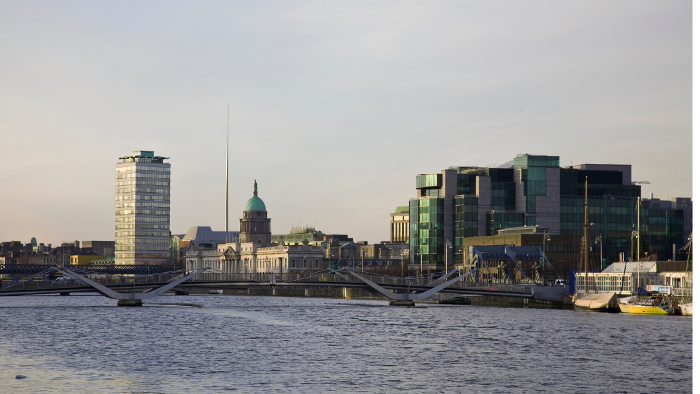
Ireland ranks as the 8th most expensive country in the world, while the UK is only at the 13th. Whether it’s rent, consumer goods, or groceries, you’ll have to pay more in Ireland.
However, it's important to consider your lifestyle and spending habits as they could shape how much you spend regardless of where you are located - even if there is a difference between the two nations.
If you are thinking of moving to Ireland from the UK, then you should remember that VAT rates should also be taken into account when comparing both countries; with 23% charged on most items purchased within Ireland versus 20% for those made within England.
Food: Ireland vs UK
-
Grocery costs in Ireland are generally slightly higher than in the UK.
-
Dining out is broadly comparable in major cities, although premium restaurants in Dublin and London can be significantly more expensive.
-
Ireland is internationally recognised for the quality of its dairy, meat, and agricultural products.
-
Regional differences can be substantial, with costs in Dublin typically higher than in Cork, Galway, or Limerick.
Housing: Ireland Vs UK
As stated in our recent blog Housing in Ireland: How to Buy a Home & Manage Costs, the housing market in Ireland is very hot at the moment where demand is outstripping supply.
Ireland's housing market remains one of the key considerations for individuals and businesses relocating from the UK. While property and rental costs vary considerably by region, demand continues to outstrip supply in many parts of Ireland, particularly in Dublin, Cork and Galway. As a result, housing costs can be higher than many UK cities, although London remains one of the most expensive property markets in Europe. When comparing costs, it is important to consider both property prices and rental availability, as these can vary significantly between locations
Transportation: Ireland Vs UK
Transportation costs in Ireland and the UK are generally comparable, although there are some notable differences. Fuel prices tend to be similar in both countries, while public transport costs can vary depending on the region and mode of travel. For those purchasing a vehicle, Ireland typically has higher purchase costs due to Vehicle registration tax (VRT), which is applied when a vehicle is first registered in the State. This means that both new and imported vehicles can often be more expensive in Ireland than in the UK.
Healthcare: Ireland vs UK
In both Ireland and the UK, healthcare is primarily funded by the government, ensuring that most medical services are provided free of charge or at a low cost. However, there are some differences in the specifics of each system and the costs associated with private health insurance.
Public Healthcare
| Aspect | Ireland (HSE) | UK (NHS) |
|---|---|---|
| Funding | Government-funded through the HSE | Government-funded through the NHS |
| Cost of Services | Free or low-cost for most medical services | Free or low-cost for most medical services |
| Access | Available to all residents | Available to all residents |
Private Healthcare
| Aspect | Ireland | UK |
|---|---|---|
| Availability | Private health insurance is available | Private health insurance is available |
| Cost of Insurance | Varies depending on the coverage | Varies depending on the coverage |
| Access to Services | Faster access to specialists and treatments | Faster access to specialists and treatments |
Real Estate Prices in Ireland vs. UK
Housing costs vary considerably across both Ireland and the UK. In recent years, strong demand and limited housing supply have continued to place upward pressure on both property prices and rents in many parts of Ireland.
Rental costs in major Irish cities such as Dublin, Cork and Galway can be higher than many regional UK cities, although London remains one of the most expensive property markets in Europe.
When comparing property prices, it is important to consider specific locations rather than relying on national averages. Buyers and investors should assess factors such as affordability, rental demand, local economic conditions and long-term growth potential before making a purchasing decision.
FAQs on Cost of Living in Ireland vs UK 2025
1. Are salaries higher in the UK or Ireland?
In general, average salaries in Ireland are often higher than in the UK, particularly in sectors such as technology, pharmaceuticals, financial services, and life sciences. However, higher earnings should be considered alongside housing costs, taxation, and overall living expenses, which can vary significantly depending on location and lifestyle.
2. Is the UK a better place to live than Ireland?
Both Ireland and the UK offer a high quality of life, strong healthcare systems, and excellent educational opportunities. Ireland is frequently recognised for its safety, community spirit, economic stability, and access to nature, while the UK offers a larger job market and wider range of cities and lifestyle options. The best choice will depend on individual circumstances and preferences.
3. Are groceries cheaper in Ireland or the UK?
In general, grocery shopping is often slightly more affordable in the UK. Everyday items such as dairy products, meat, and fresh produce can vary in price between the two countries, but many consumers find that weekly household shopping costs are lower in the UK than in Ireland.
4. How does the cost of utilities compare between Ireland vs UK?
Utility costs in both Ireland and the UK fluctuate depending on energy prices, property size, and usage patterns. While electricity and heating costs may be broadly comparable, internet and mobile services can sometimes be more expensive in Ireland. It is advisable to review current market rates when planning a move.
5. Are mortgage rates higher in Ireland or the UK?
Mortgage rates vary depending on market conditions, lender policies, and individual borrower circumstances. Prospective buyers should compare current mortgage products available in both countries before making financial decisions.
6. Which country is more affordable for students?
The affordability of studying in Ireland or the UK will depend on the institution, course, and location. Tuition fees and living costs vary significantly. While some Irish universities may offer lower tuition fees than leading UK institutions, students should consider accommodation costs, transportation, and daily living expenses when comparing options.
7. Is dining out more expensive in Ireland or the UK?
Restaurant prices in Ireland and the UK are generally comparable, although costs vary by city and venue. Dining out in Dublin and London typically costs more than in smaller cities and towns, while casual dining and takeaway options remain widely available at a range of price points.
.svg)
.svg)
.svg)
.svg)

.svg)




.svg)